
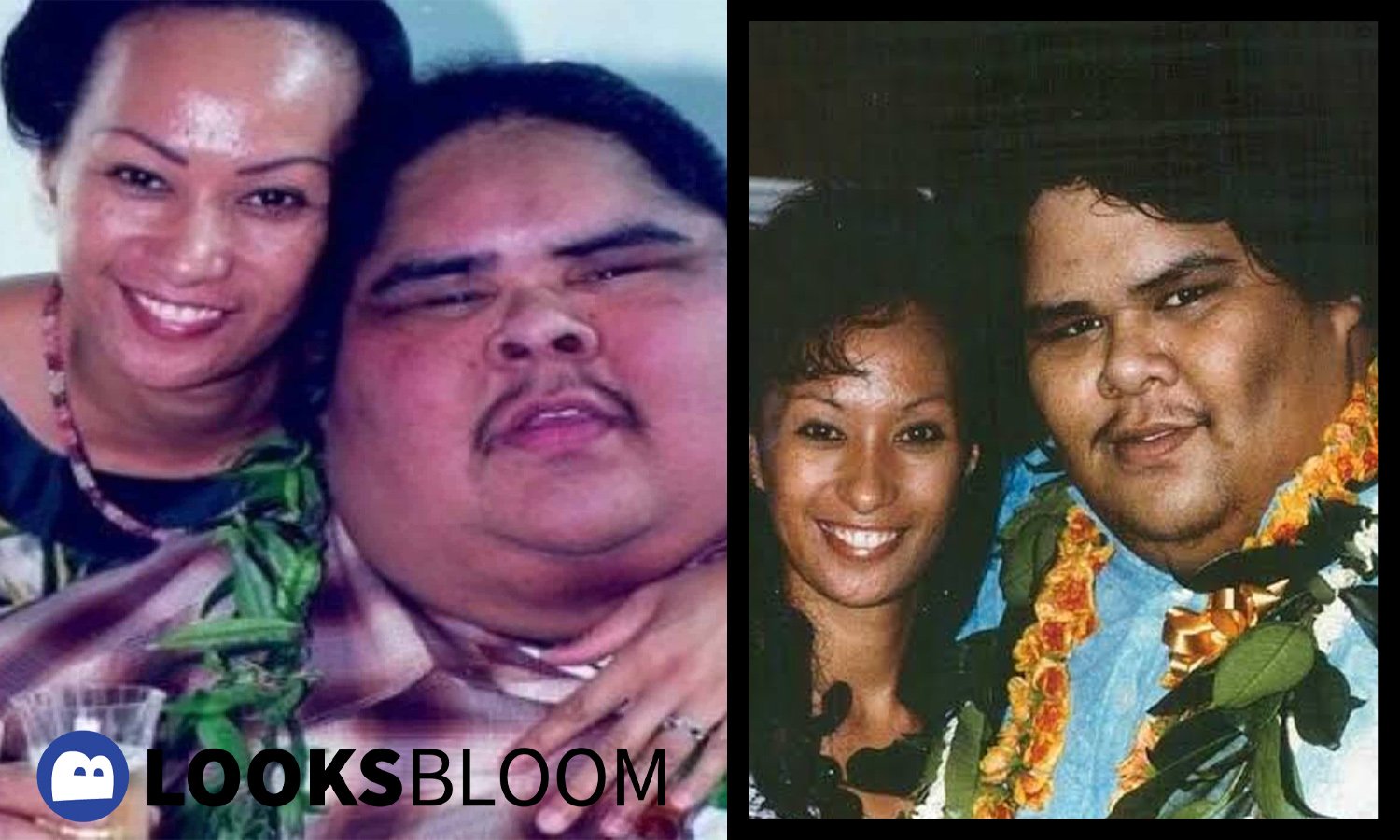
Marlene Kamakawiwoʻole is the childhood sweetheart and wife of the late Hawaiian music icon Israel “Braddah IZ” Kamakawiwoʻole. Millions of people know his ukulele and his gentle medley of “Somewhere Over the Rainbow” and “What a Wonderful World.” Far fewer know the woman who stood beside him when the cameras went away and the stage lights switched off.
Marlene never chased fame. She chose a private life, raised a daughter, and watched her husband become a symbol of Hawaii. This article follows what reliable reports say about her, from her early bond with Israel to her role in protecting his legacy.
Marlene Kamakawiwoʻole at a Glance
| Detail | Information |
|---|---|
| Full name | Marlene Kamakawiwoʻole (maiden name reported as Ah Lo) |
| Known for | Wife and widow of Hawaiian singer Israel “IZ” Kamakawiwoʻole |
| Birth year | Reported as 1962 (not officially confirmed) |
| Birthplace | Honolulu, Hawaii (reported) |
| Nationality | American |
| Relationship origin | Childhood sweethearts |
| Marriage | 1982 |
| Marriage ended | June 26, 1997, with Israel’s death after about 15 years |
| Husband’s birth and death | May 20, 1959, to June 26, 1997 |
| Child | Daughter Ceslie-Ann “Wehi” Kamakawiwoʻole, born around 1983 |
| Reported early work | Part-time job in a hospital cardiology department |
| Public role | Honored her husband’s memory at tributes and community events |
| Home | Hawaii |
Who Is Marlene Kamakawiwoʻole?
Marlene Kamakawiwoʻole is a Hawaii native who married Israel Kamakawiwoʻole in 1982. Biographies describe her as his childhood sweetheart, which means their story began long before he became a recording artist.
Most of what the public knows about her comes through her husband’s fame. Newspapers in Honolulu mentioned her at memorials, tributes, and community events, and she spoke to local reporters on a few occasions. She did not build a public career of her own.
That choice shaped how people remember her. She appears in the record as a wife, a mother, and a widow who kept a dignified distance from the spotlight. Her quiet presence is part of what makes her story so human.
A Childhood Bond That Grew Into Love
Israel Kamakawiwoʻole was born on May 20, 1959, in Honolulu. He grew up in a musical family, and his uncle, the respected performer Moe Keale, influenced him early. Music filled the house, and the family later settled on the Waiʻanae Coast of Oahu.
Reports say Marlene and Israel met as young people and grew up close to each other. Wikipedia and several biographies use the same phrase for her: his childhood sweetheart. That detail matters because it shows how long the two knew each other before fame arrived.
Their early years happened far from recording studios and concert halls. A young Israel was learning the ukulele and playing in family circles. A young Marlene watched a gifted boy turn into a determined musician.
No public record describes their first date or the exact day they met. Many websites invent romantic details to fill that gap. Honest biographers simply report what the sources confirm: they knew each other as children, and the bond lasted.
The 1982 Wedding and a Year of Loss
Marlene and Israel married in 1982. Some reports say Marlene was about 20 years old at the time, which fits the commonly cited birth year of 1962. Descriptions of the ceremony call it a small, private affair with close family.
That same year brought deep sorrow. Israel’s older brother Skippy, with whom he first played music, died at age 28 from a heart attack linked to obesity. The loss hit Israel hard, and it changed how he thought about family and health.
Marlene entered marriage during that grief. She did not step into a calm, easy life. She stepped into a household that mourned while it also looked ahead.
This timing helps explain the closeness of the couple. They built their new life together while Israel carried a heavy emotional weight, and Marlene stayed by his side.
Married Life: Roses, Music, and Hawaiian Values
Marlene spoke about her marriage in an interview with the Honolulu Advertiser. Reports of that interview say she did not love Israel for money. She said she would have chosen him even if he had nothing.
She also recalled a small, lovely habit. Israel often brought her roses, even when he had little cash. That detail has circulated widely because it shows tenderness behind the big-hearted public image.
Their marriage lasted about 15 years. During that time, Israel built his career with the group Makaha Sons of Niʻihau and then as a solo artist. His debut solo album, Ka ʻAnoʻi, appeared in 1990, and Facing Future followed in 1993.
Israel also spoke out for Native Hawaiian rights, and his music carried that message. Marlene shared the same cultural roots, and sources describe a home that valued Hawaiian language, family, and community.

Raising Ceslie-Ann “Wehi”
Marlene and Israel had one daughter, Ceslie-Ann, whom the family calls “Wehi.” She was born around 1983. A 1997 report in the Honolulu Star-Bulletin identified her and said she was 14 when her father died.
Marlene carried much of the daily work of raising her. Israel traveled, recorded, and performed, and he also battled serious health problems. A steady, present parent mattered in that kind of household.
Reports say the family put real effort into passing on Hawaiian culture. The Honolulu Advertiser also reported that Marlene later adopted two girls connected to the family, though details about that part of her life remain limited.
Marlene has kept her daughter and grandchildren out of the headlines, which suits a woman who values privacy. Hawaii’s press has respected that boundary for the most part.
Standing Beside Israel Through His Health Struggles
Israel Kamakawiwoʻole battled severe obesity for much of his adult life. He stood about six feet two inches tall, and his weight rose to extreme levels. He was hospitalized several times as his breathing and heart came under strain.
Marlene supported him through those years. Accounts from Hawaii media describe a wife who stayed close, helped with daily needs, and kept the family running. She did not leave the burden to doctors alone.
Israel received care at the Waiʻanae Coast Comprehensive Health Center on Oahu. That detail returned later, when Marlene helped direct money from his legacy back to the same place.
Illness did not stop his music. Even when walking was hard, Israel recorded and performed. His family’s steady support gave him room to keep making the songs the world still plays.
June 1997: The Farewell Hawaii Never Forgot
Israel Kamakawiwoʻole died on June 26, 1997, at age 38. Respiratory failure was the cause of death, and he passed away in Honolulu. He left behind Marlene and their teenage daughter.
Hawaii mourned him with the honors usually saved for leaders. His casket lay in state at the Hawaii State Capitol. More than 10,000 people attended his state funeral, and his ashes were later scattered in the Pacific off Makua Beach.
Marlene stood at the center of that grief. She lost her husband of 15 years and her friend since childhood on the same day. She also had to guide a daughter through the loss while the entire state watched.
The song that would make Israel famous worldwide had not yet reached its full audience. His 1993 album Facing Future became a landmark release, and his “Over the Rainbow” medley later appeared in films, television shows, and commercials. He never saw the full scale of that success.
How Marlene Protects Israel’s Legacy
Marlene stepped forward when the community honored Israel. In 2003, six years after his death, a 200-pound bronze bust of the singer was unveiled at the Waiʻanae Neighborhood Community Center. Marlene and the sculptor, Jan-Michelle Sawyer, placed leis on the sculpture during the ceremony.
She also helped bring his legacy back to the people who cared for him. Hawaii News Now reported that a donation of $60,000 went to the Waiʻanae Coast Comprehensive Health Center, and Marlene presented the check along with partner businesses. She said the gift was meant to return to Israel’s past.
Those acts show a clear pattern. She does not chase attention, yet she appears when a gesture can help the community that loved him.
Some websites claim she runs a foundation or plans global concerts. Reliable sources do not confirm those claims, so treat them with caution. The verified record points to quiet, practical support for tributes and local causes.
Where Is Marlene Kamakawiwoʻole Now?
Marlene lives in Hawaii and keeps a private life. Recent profiles describe a woman who stays close to family and avoids interviews. She does not maintain a public social media presence tied to her husband’s brand.
You will find articles that give her exact age, net worth, or daily routine. Most of those pages copy each other and offer no source. Marlene has never released that information, and the careful reader should skip it.
What we can say is simple. She is a widow, a mother, and a grandmother in many accounts, and she remains a trusted keeper of Israel’s memory. Her choice to stay out of view tells its own story.
What We Know and What Remains Private
Verified facts about Marlene fit in a short list. She married Israel in 1982, she is the mother of Ceslie-Ann, and she was widowed in 1997. She also took part in public tributes and shared parts of her story with the Honolulu press.
Several details stay uncertain. Her birth year appears as 1962 on many sites, but those pages rarely cite a primary record. Her maiden name appears as Ah Lo in some biographies, and a few outlets add a middle name that other sources do not confirm.
Treat dramatic claims about her life with doubt. Stories about legal troubles in the family, large inheritances, or secret careers usually trace back to content farms. A responsible biography leaves them out.
Conclusion
Marlene Kamakawiwoʻole shows that a legend often has a quiet partner behind him. She grew up alongside Israel, married him in 1982, and shared 15 years of life with the man the world knows as Braddah IZ. Her steady love gave him a home to return to after every stage.
She never needed the spotlight to matter. She raised a daughter, helped her community honor Israel, and kept her private life her own. That dignity is part of the legacy she protects.
When you hear “Somewhere Over the Rainbow” in his soft voice, remember the woman who knew him first as a friend. Her story adds warmth to the music, and it deserves to be told with honesty and respect.