
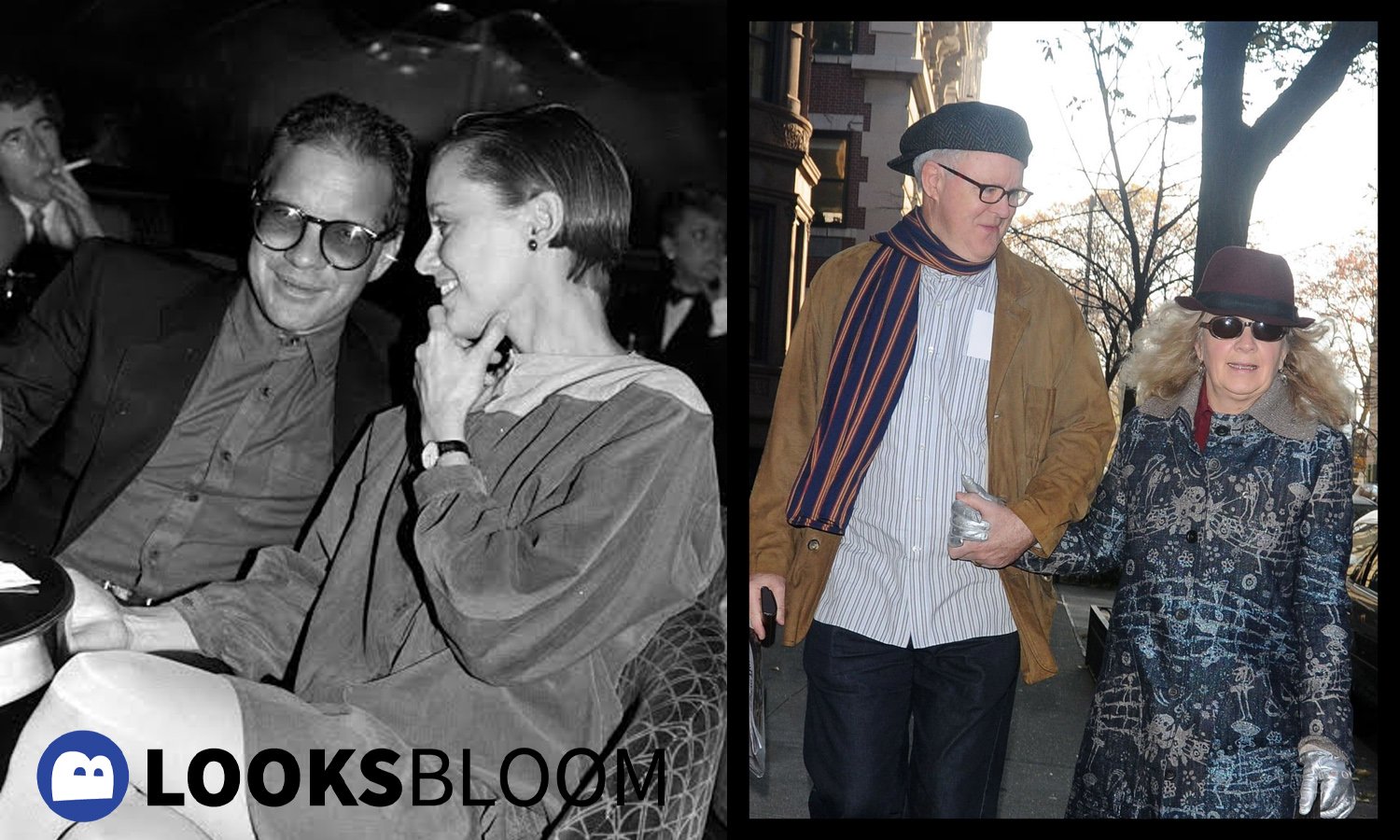
Jean Taynton is an American teacher best known as the first wife of actor John Lithgow. She married him in 1966, raised their son Ian, and helped steady the household while Lithgow built the stage career that later led to Terms of Endearment, Footloose and 3rd Rock from the Sun. Her name appears in search results mostly because of his fame, yet her own story involves classrooms, community theatre and a great deal of quiet persistence.
Reliable details about her are thin, and she has never given a major interview. This article sticks to what Lithgow’s memoir, profiles of their son and established reporting say, and it marks clearly where a detail remains unconfirmed. Read on to learn how she met Lithgow, what she did for a living, why the marriage ended and how her son carried the family story forward.
Jean Taynton Bio at a Glance
| Detail | Information |
|---|---|
| Full name | Jean Taynton |
| Known for | First wife of actor John Lithgow |
| Nationality | American |
| Profession | Teacher and education specialist |
| Husband | John Lithgow (married 1966, divorced 1980) |
| Wedding date | September 10, 1966 (as reported by several outlets) |
| Length of marriage | About 14 years |
| Child | One son, Ian Lithgow, born February 3, 1972 |
| Where the couple met | Massachusetts, through a production of Gilbert and Sullivan’s Patience |
| Education | Reportedly Oberlin College (not independently confirmed) |
| Birth date and birthplace | Not publicly confirmed |
| Social media | No verified public accounts |
| Net worth | Not publicly known |
| Public profile | Very private since the 1980s |
Who Is Jean Taynton?
Jean Taynton is a former educator who spent her working life around children and classrooms. Most online biographies describe her as a teacher, and one account says she later worked as a teaching specialist in Westchester County, New York. She has no film credits, no public business ventures and no known social media presence.
Her fame is entirely secondhand. Lithgow mentioned her in interviews and wrote about their marriage in his 2011 memoir, Drama: An Actor’s Education. Journalists and bloggers have repeated the outline of that story ever since.
That limited record matters for anyone who writes about her. Plenty of websites have added colourful details with no source behind them, such as exact ages, heights and bank balances. This article leaves those out because nobody has verified them.
What remains is still a rich story. It begins on a summer stage, passes through London and New York, and ends with a divorce handled with more privacy than most celebrity breakups receive.
Early Life and Education
Very little is public about Jean’s childhood. Her birth date, hometown and family background have never been confirmed by a trustworthy source. Some websites give a birth name or a precise age, but those claims trace back to each other rather than to a record.
One detail appears repeatedly: several profiles say she studied at Oberlin College in Ohio, a school with a long reputation for music, arts and progressive education. Treat that as a reported detail, not a confirmed one. It fits the rest of her life, though. She moved easily between teaching and community theatre, and she sang well enough to take a leading comic role on stage.
By the mid-1960s she was living and working in the Cambridge, Massachusetts area as a teacher. That placed her a short walk from Harvard, where a tall, restless student named John Lithgow was finishing his degree and acting in nearly everything he could find.
One account says she was several years older than Lithgow. If that is accurate, she arrived at the relationship with a steadier career already underway.
How Jean Taynton Met John Lithgow
The couple met through theatre. Reports place them together in a production of Patience, the 1881 comic opera by W. S. Gilbert and Arthur Sullivan, at the Highfield Theatre on Cape Cod. Jean played Lady Jane, the formidable and lovesick woman who lugs a cello around while she pines for the poet Bunthorne. Lithgow played Bunthorne.
The casting carries a certain irony. On stage, Lady Jane chases a man who barely notices her. Off stage, the two performers found each other easily. They spent a summer rehearsing, joking and performing, and a friendship turned into a courtship.
Lithgow grew up in a theatre family. His father, Arthur Lithgow, produced Shakespeare festivals and regional theatre, so John understood the rhythms of rehearsal and the uncertainty of an actor’s income. Jean offered something different. She had a profession with a regular paycheck and a calm way of dealing with problems.
By their own accounts, the relationship moved quickly. Within a year or two the couple were planning a wedding, even though Lithgow had not yet finished building any kind of career.
Readers who enjoy this sort of story behind the spotlight can find more celebrity biographies and family stories on Looks Bloom.
Marriage and the Move to London
Jean and John married on September 10, 1966. Several outlets describe a small ceremony at an Episcopal church in Philadelphia, though that detail comes from secondary sources. Lithgow was still a student at Harvard and graduated in 1967.
After graduation, John Lithgow won a Fulbright scholarship to study at the London Academy of Music and Dramatic Art. The newlyweds moved to England, where he trained as a classical actor and Jean looked for teaching work.
That arrangement set the pattern for the first years of the marriage. Lithgow chased roles that paid little, and Jean kept the household running. Actors often describe those years as the hungry stretch before a break arrives, and the person with the steady job usually carries the most weight.
London also gave the couple a shared adventure. They lived in a foreign city, learned its theatres and returned to the United States with a sharper sense of what Lithgow could do on stage.
Back home, the family settled into New York. Lithgow made his Broadway debut in 1973 in The Changing Room, which earned him a Tony Award. By then Jean had given birth to their son.
Jean Taynton’s Career as a Teacher
Jean built her professional identity around education, not entertainment. One profile says she specialised in literacy and helped children with learning differences master reading. That work demands patience, observation and a gift for breaking big tasks into small steps.
Another account places her in Westchester County, where she became a teaching specialist after the family moved to the New York area. The detail is plausible, since Westchester sits within commuting range of Manhattan and employs many specialist teachers. Still, no school record or news report confirms it.
Teaching also explains how she supported the household. Lithgow’s early stage roles did not pay enough to cover a family’s expenses. A teacher’s salary, with its predictable schedule and benefits, gave them room to breathe.
Her career also shows the practical side of artistic marriages. Many famous actors had a partner whose steady income allowed them to say yes to risky parts. Jean played that role for Lithgow, and the arrangement shaped the early years of his career more than any single audition.
Motherhood and Ian Lithgow
Jean and John welcomed their son, Ian David Lithgow, on February 3, 1972, in New York City. He grew up around theatres, rehearsal rooms and stage doors, and he absorbed the family’s love of performance.
Ian studied English at Harvard, as his father had, and graduated in 1994. He later worked as an actor in film, television and regional theatre. According to his Wikipedia biography, he played a recurring student named Leon on 3rd Rock from the Sun, where his father starred, and he appeared in the HBO series Perry Mason as a son of his father’s character.
He then changed direction. Ian earned a master’s degree in clinical psychology from Antioch University Los Angeles in 2005 and trained as a marriage and family therapist. He now balances acting with a therapy practice.
That career choice says something about the home he came from. A boy who watched his parents navigate ambition, money and a painful divorce might well grow into an adult who wants to help other families do the same.
Jean’s own influence shows in his path. He chose a profession built on listening, much like her classroom work, while keeping a foot in his father’s world.
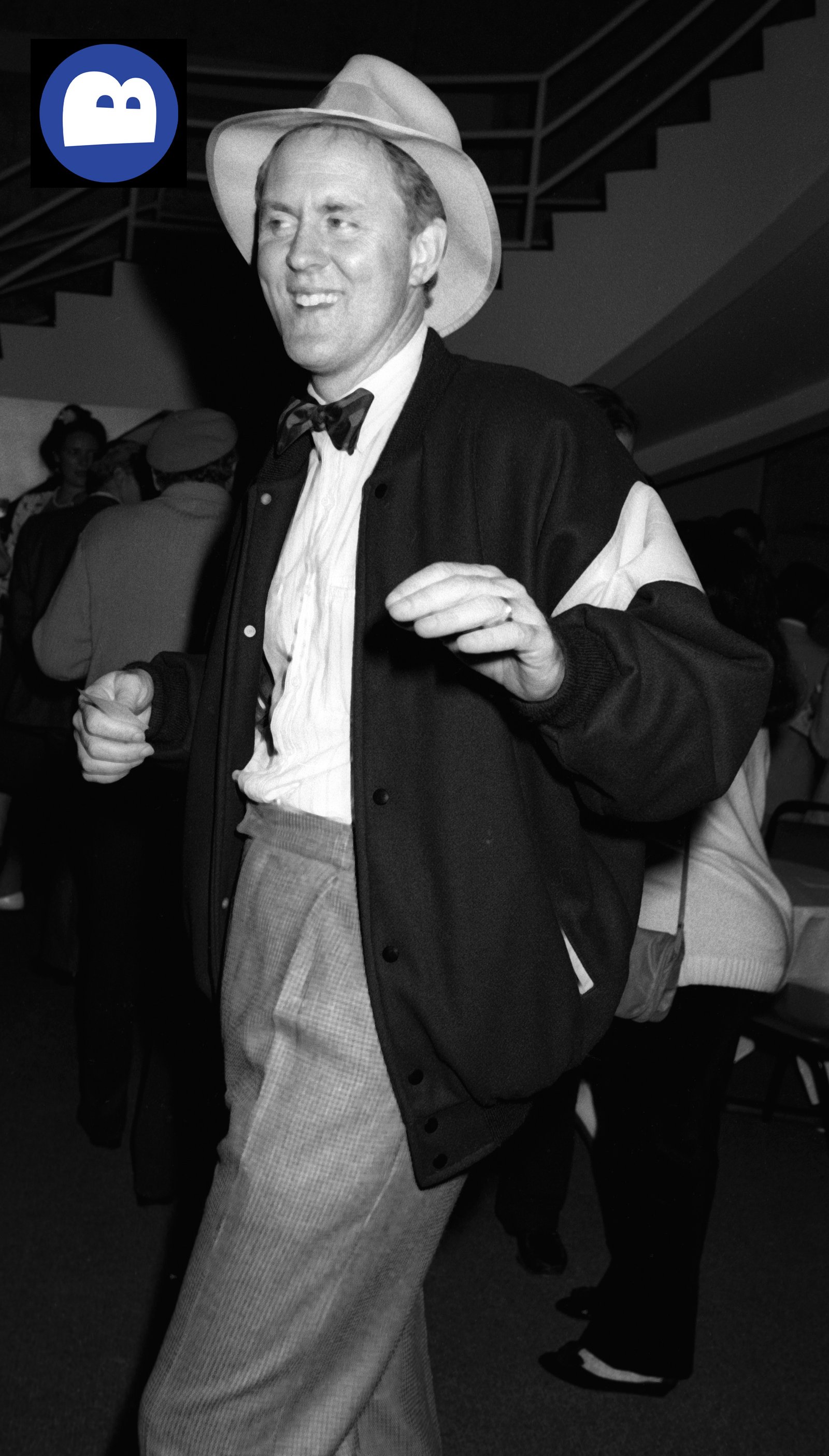
Why Jean Taynton and John Lithgow Divorced
The marriage ended in 1980 after roughly 14 years. Lithgow has explained the reason himself. In Drama: An Actor’s Education, he wrote that he fell in love with the Swedish actress Liv Ullmann while the two worked together on the Broadway production of Anna Christie in the late 1970s.
Accounts say the affair unfolded while Lithgow worked away from home. One retelling describes Jean travelling to Toronto with Ian to visit him, where he told her about the relationship. Writers have repeated that scene often, but readers should remember it is a retelling, not a transcript.
Lithgow has not shifted the blame. He has described himself in those years as a dutiful young husband and father who had never tested his own limits until fame and temptation arrived together.
The couple’s divorce did not become a public fight. No court filings or settlement terms have surfaced in news coverage. Jean never gave her side to the press, and that silence reflects her choice rather than a gap in research.
After the divorce, Lithgow married Mary Yeager in 1981. The couple have two children and remain married.
Life After Divorce and Why She Stays Private
After 1980, Jean Taynton stepped away from public attention. No verified interviews exist, and no official social media accounts carry her name. Several websites claim to know where she lives or what she earns, but none cites a record, and this article does not repeat them.
Her privacy deserves respect. She never asked for celebrity, and she has no obligation to explain her life to strangers. The public interest in her begins and ends with her place in a famous man’s biography.
Reports suggest she kept working in education and raised Ian largely on her own after the separation. That claim appears in secondary profiles, so treat it as likely but unconfirmed.
Ian has also lived a fairly low-key life compared with his father. Local coverage of his therapy work highlights a thoughtful professional who talks about family history without airing private grievances.
Together, the choices of mother and son suggest a household that valued discretion. They let Lithgow tell his own story while keeping their personal details out of tabloid headlines.
Why Her Story Still Matters
Jean’s story matters because it shows how success often depends on people the public never sees. Lithgow became one of the most recognisable actors of his generation, with two Oscar nominations, multiple Emmy Awards and a Tony. Behind the early part of that career stood a teacher who earned a salary, raised a child and trusted a young actor to find his way.
It also reminds readers to check sources. A single memoir and a handful of reliable profiles support the core facts of her life: the stage meeting, the 1966 wedding, the move to London, the birth of Ian and the 1980 divorce. Everything else is either unconfirmed or invented.
Finally, her story offers a gentler version of the usual celebrity breakup narrative. There was no courtroom spectacle, no tell-all interview and no lasting public feud. Two people ended a marriage, and one of them chose to walk away from the spotlight.
Conclusion
Jean Taynton lived much of her life away from cameras, but her influence on John Lithgow’s early years is clear. She met him on a theatre stage, married him in 1966, moved with him to London, taught school and raised their son Ian. Her steady work gave Lithgow the freedom to pursue a risky career.
The marriage ended in 1980, and Lithgow has told his side in his memoir. Jean answered with silence, and she has kept her private life private ever since. Because so few facts are public, anyone who writes about her should rely on verified sources and avoid guesswork.
Her legacy lives on in the people she helped as a teacher and in the son who followed his own path into acting and therapy. That may not make headlines, but it counts as a life well lived.